Load securing


 Industry & Logistics


 Plans & Nets


 Holidays & Leisure


What should be considered when loading vehicles, and what do you need to keep in mind when transporting cargo?
It is estimated that inadequate load securing, also known as transport securing or lashing, is a contributing factor in approximately 25% of accidents on German roads. This high number demonstrates the significant amount of both economic damage and personal injury each year. These accidents are preventable through proper load securing. Everyone involved in load securing should be aware of this and take it into account in their work. The first step towards proper load securing is avoiding improper loading and inadequate securing of a vehicle. Our online shop offers you both the right tools in the form of high-quality equipment and the necessary expertise to use them safely.
First, however, we would like to turn to the first step of load securing and consult the German Road Traffic Regulations (StVO) on this matter.
What should be considered when loading vehicles:

Road Traffic Regulations: Section 22 Loading and Section 23 Paragraph 1 Section 22 Loading
(1) The load, including load securing devices and loading equipment, must be stowed and secured in such a way that it cannot slip, tip over, roll back and forth, fall off, or cause avoidable noise, even in the event of emergency braking or a sudden evasive maneuver. The recognized rules of technology must be observed.
(2) The combined width of a vehicle and its load must not exceed 2.55 m and the height of 4 m. Vehicles used for agricultural or forestry purposes, when loaded with agricultural or forestry products or implements, must not exceed 3 m in width, including their load. When loaded with agricultural or forestry products, they may exceed 4 m in height, including their load. Refrigerated vehicles must not exceed 2.6 m in width.
(3) The load must not project forward beyond the vehicle up to a height of 2.5 m, or, in the case of vehicle combinations, beyond the towing vehicle. Otherwise, the load may project forward up to 50 cm beyond the vehicle, or, in the case of vehicle combinations, up to 50 cm beyond the towing vehicle.
(4) The load may project up to 1.5 m to the rear, but up to 3 m for journeys over distances of up to 100 km; distances traveled outside the scope of this regulation are not taken into account. The vehicle or vehicle combination, including the load, may not exceed 20.75 m in length. If the outermost end of the load projects more than 1 m beyond the rear reflectors of the vehicle, it must be marked by at least one bright red flag, not smaller than 30 x 30 cm, held apart by a crossbar; a bright red sign of the same size, suspended so that it swings transversely to the direction of travel; or a vertically mounted cylindrical object of the same color and height with a diameter of at least 35 cm. These marking devices may not be mounted higher than 1.5 m above the road surface. If necessary (Section 17, Paragraph 1), at least one red light must be mounted in the same location, as well as a red reflector not higher than 90 cm.
(5) If the load projects laterally more than 40 cm beyond the vehicle's lights, or, in the case of motor vehicles, beyond the outermost edge of the light-emitting surfaces of the side marker or rear lights, it must be marked, if necessary (Section 17 Paragraph 1), by means of a light emitting white light to the front and a light emitting red light to the rear, no more than 40 cm from its edge and no more than 1.5 m above the road surface. Individual poles or posts, horizontally lying panels, and other poorly visible objects must not project laterally.

Load securing according to VDI 2700
The VDI 2700 series of guidelines is the standard reference work on load securing and is now even considered relevant in court proceedings. All our tools and tips for load securing comply with the VDI 2700 guideline. The focus is on proper load securing on road vehicles. It specifies who is responsible for proper load securing, what forces act on the load during transport, and how loads can be secured in general. Numerous practical examples are provided. VDI 2700 has significantly contributed to the fact that safety is now considered far more important and plays a major role in the transport industry. The term "Lasi" is also frequently used these days, even though it refers to the German Federal/State Committee for Occupational Safety and Health.
We wish you a pleasant and safe journey and hope that our guide to load securing clarifies the question: What should be considered when loading vehicles? Our article: Ratchet strap instructions - releasing a ratchet strap is also very popular.
If you have any further questions about proper load securing, please feel free to contact our team of experts!
counselor
Guide to load securing:
What should be considered when loading vehicles?
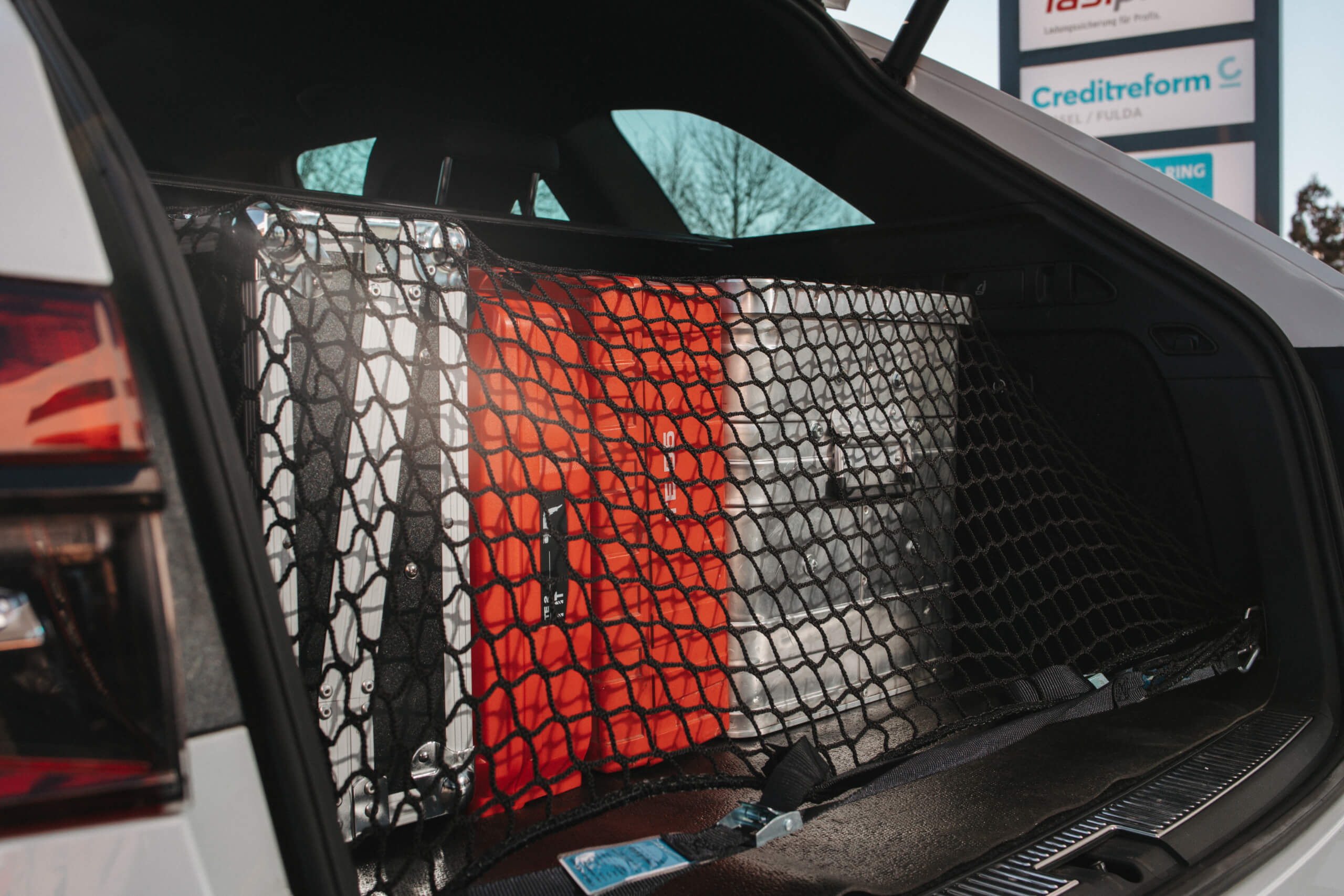
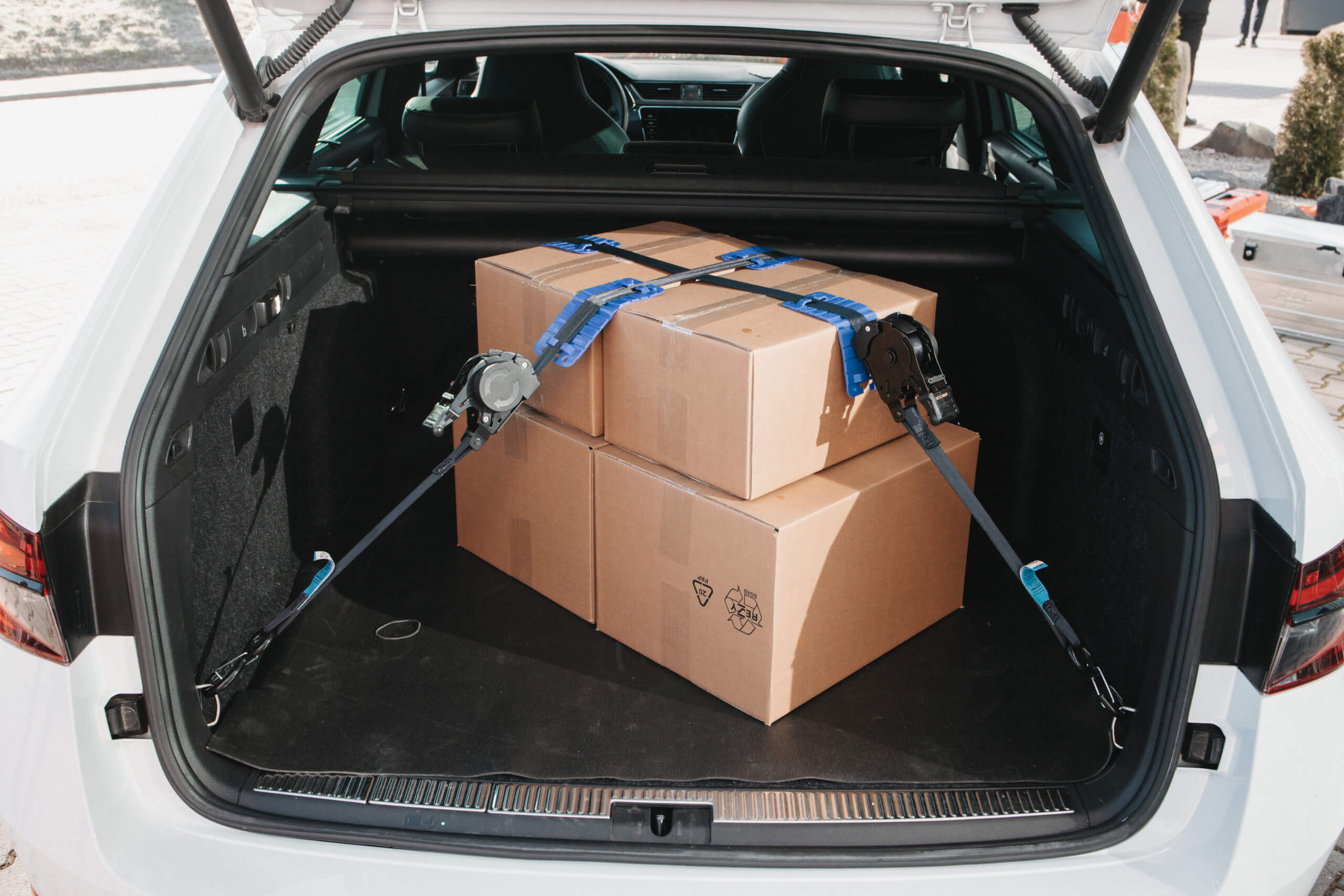
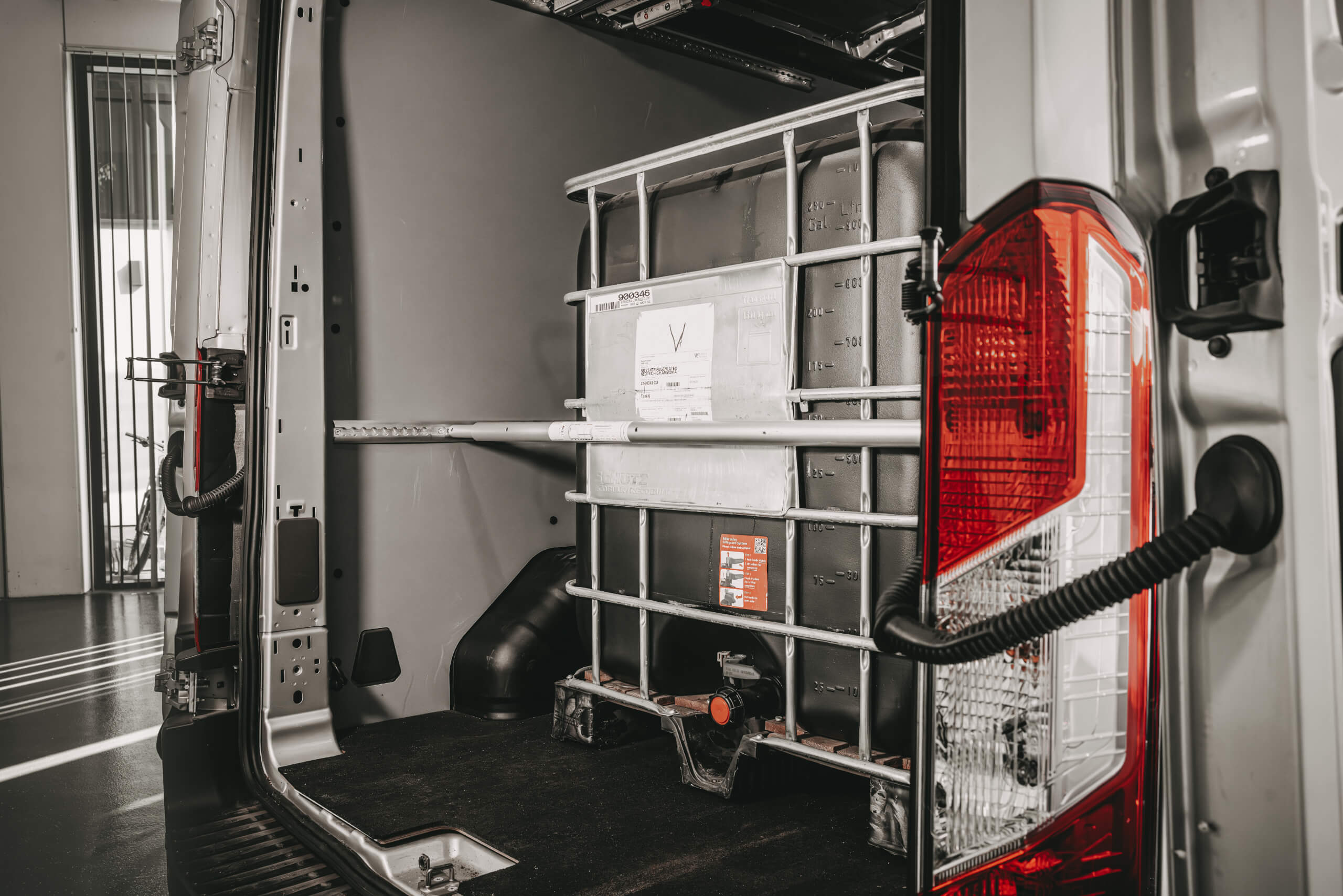
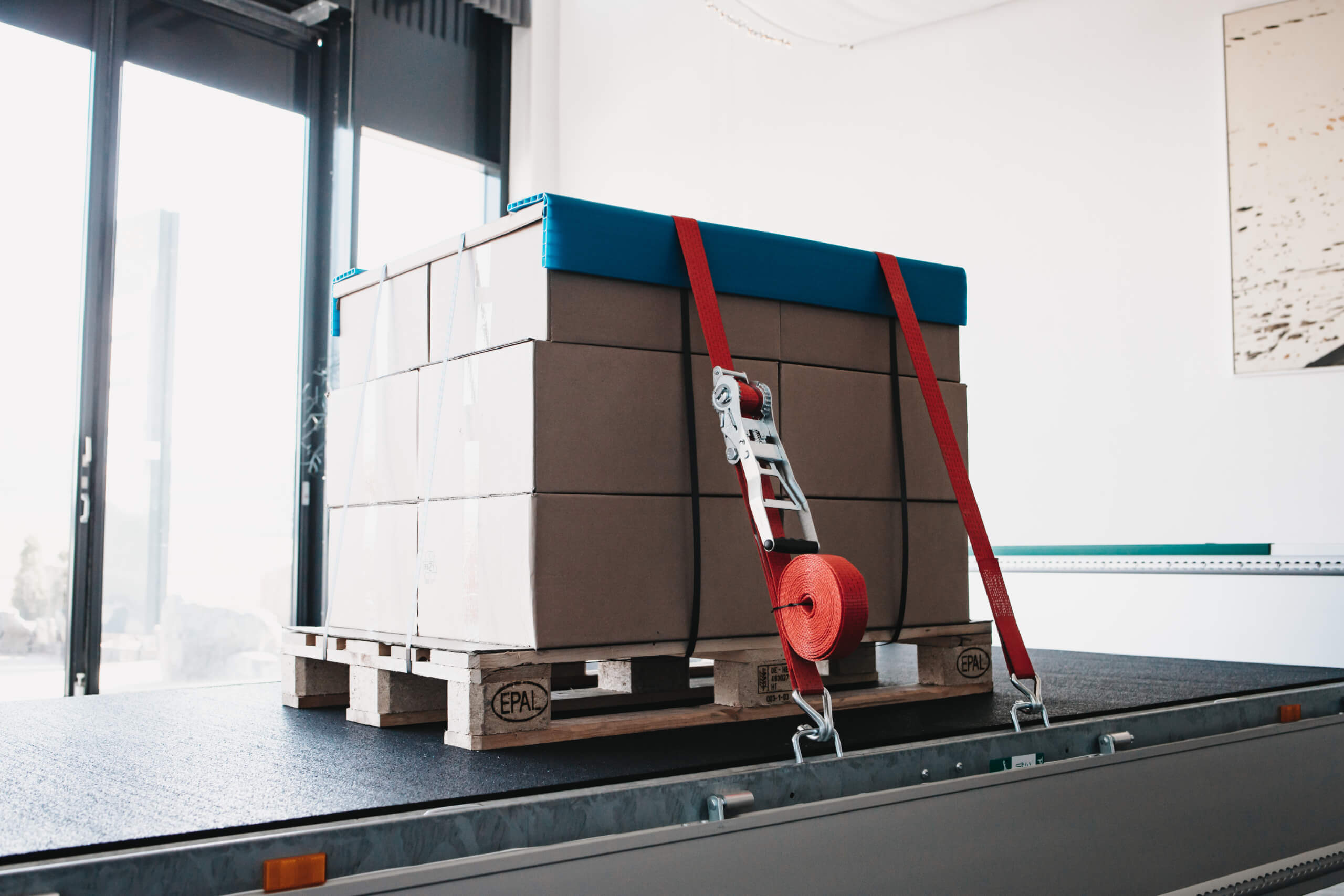
Securing loads is immensely important. It's not enough to simply buy high-quality ratchet straps and anti-slip mats ; proper application is crucial. What should you consider when loading vehicles, and what do you need to keep in mind when transporting cargo? To answer these questions, we offer our customers this comprehensive guide to the correct loading and securing of vehicles. We present the most important tools , as well as practical information on correct application and use, and relevant legal information.

Specialist texts by
Load securing professionals

-
Nicht kategorisiert
-
occupational safety
-
tools
-
sustainability
-
Practice & Application
Load securing: occupational safety

Load securing: tools

Tension belts and lashing straps
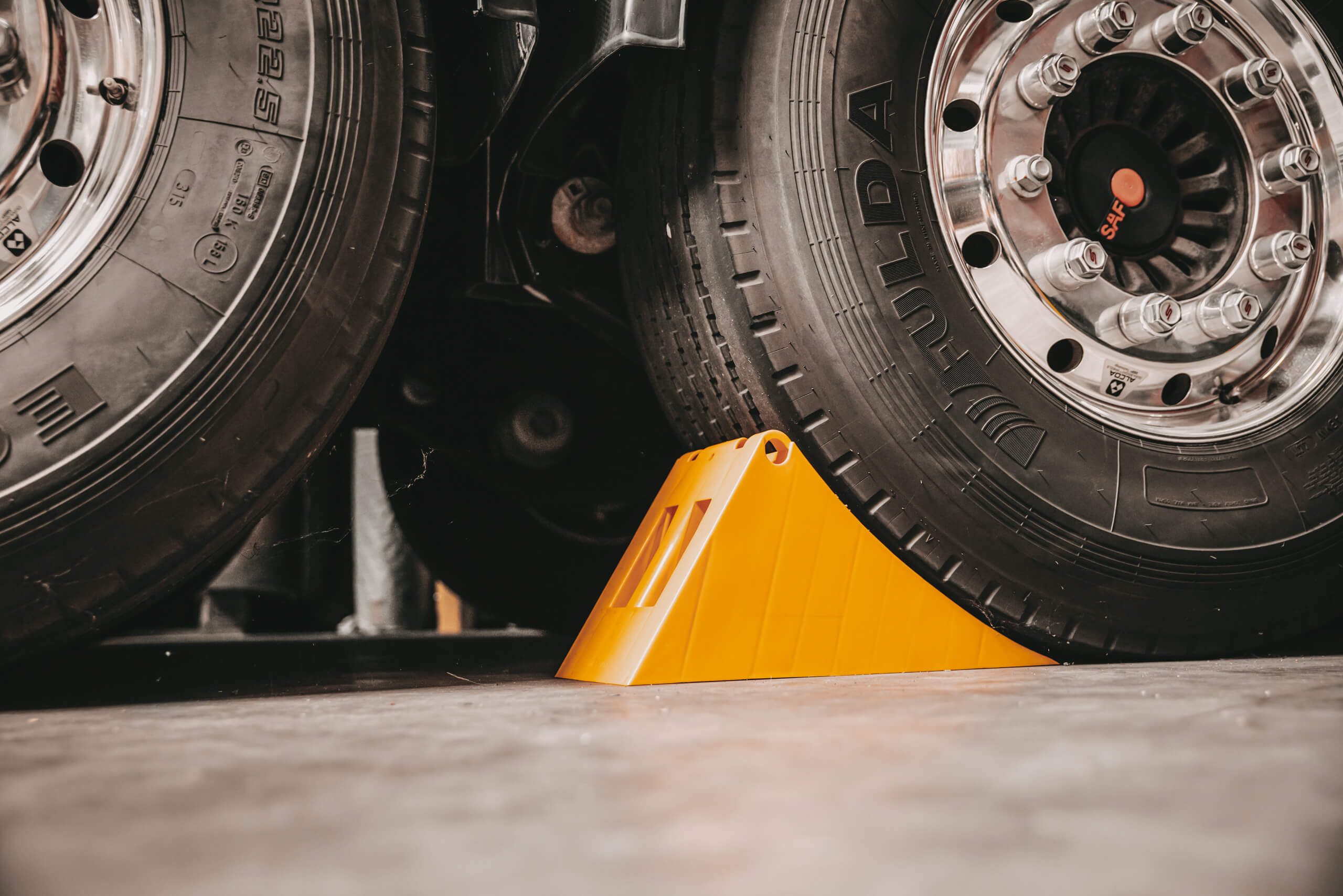

Load securing: Practice & Application

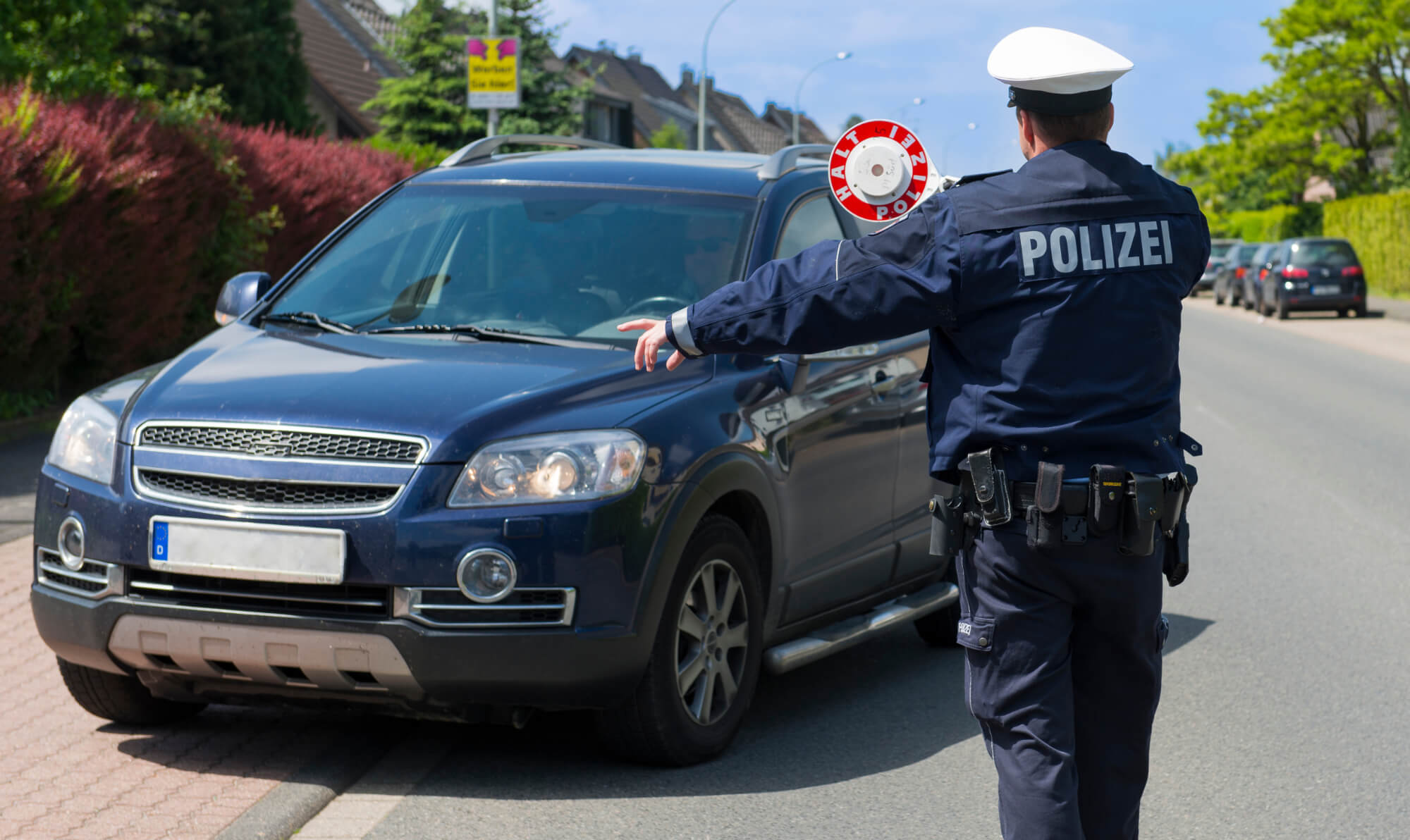
Controls and legal matters
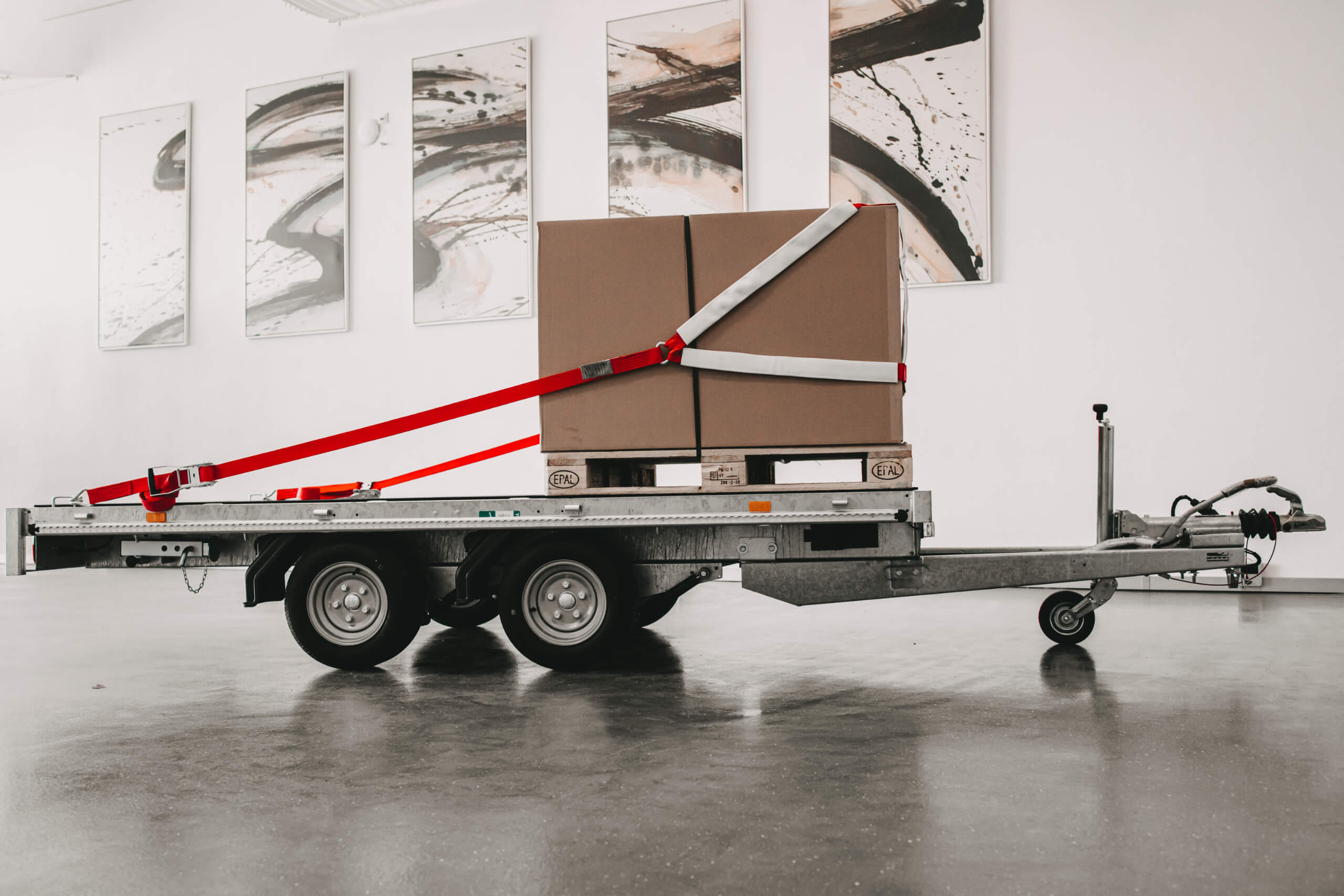

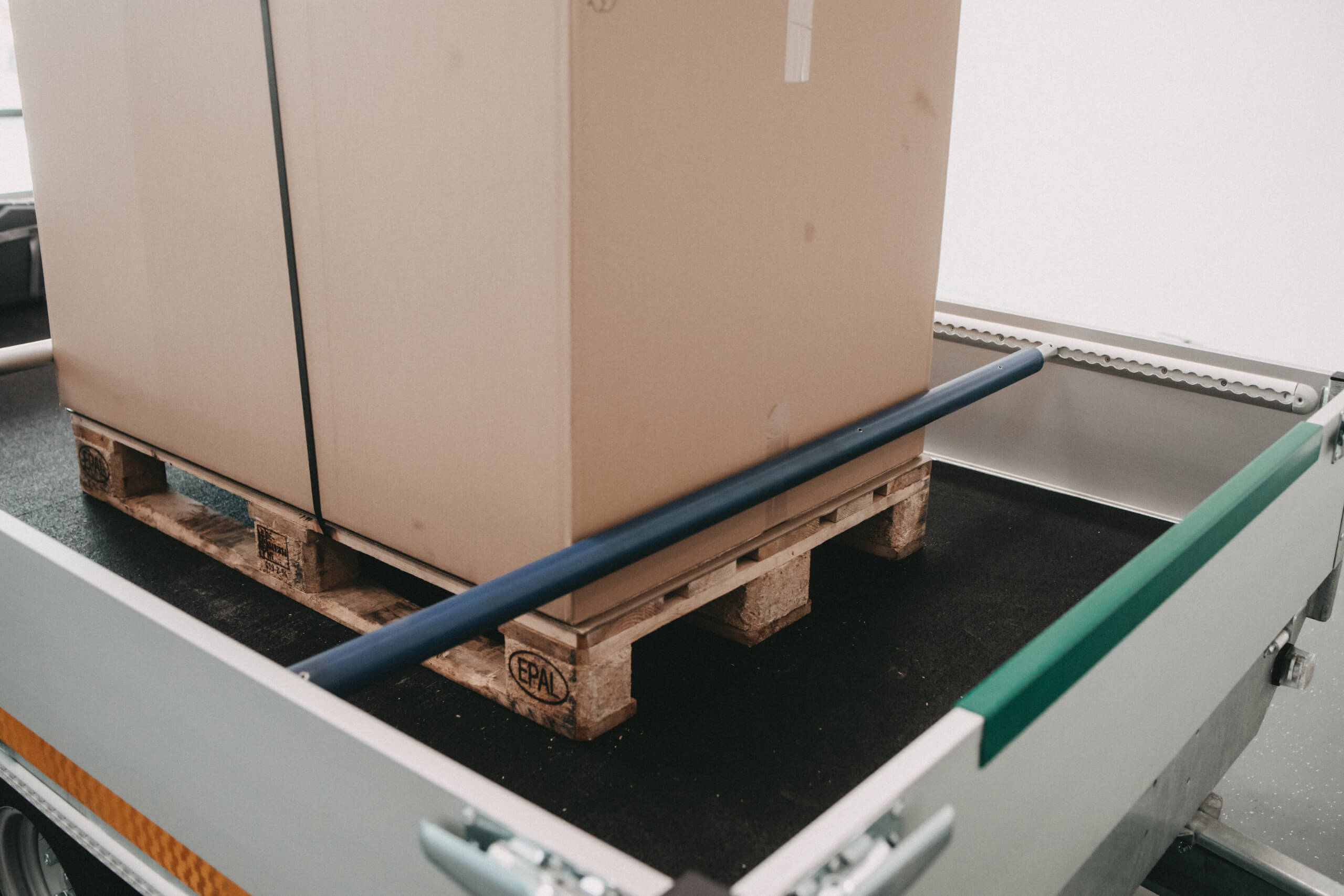
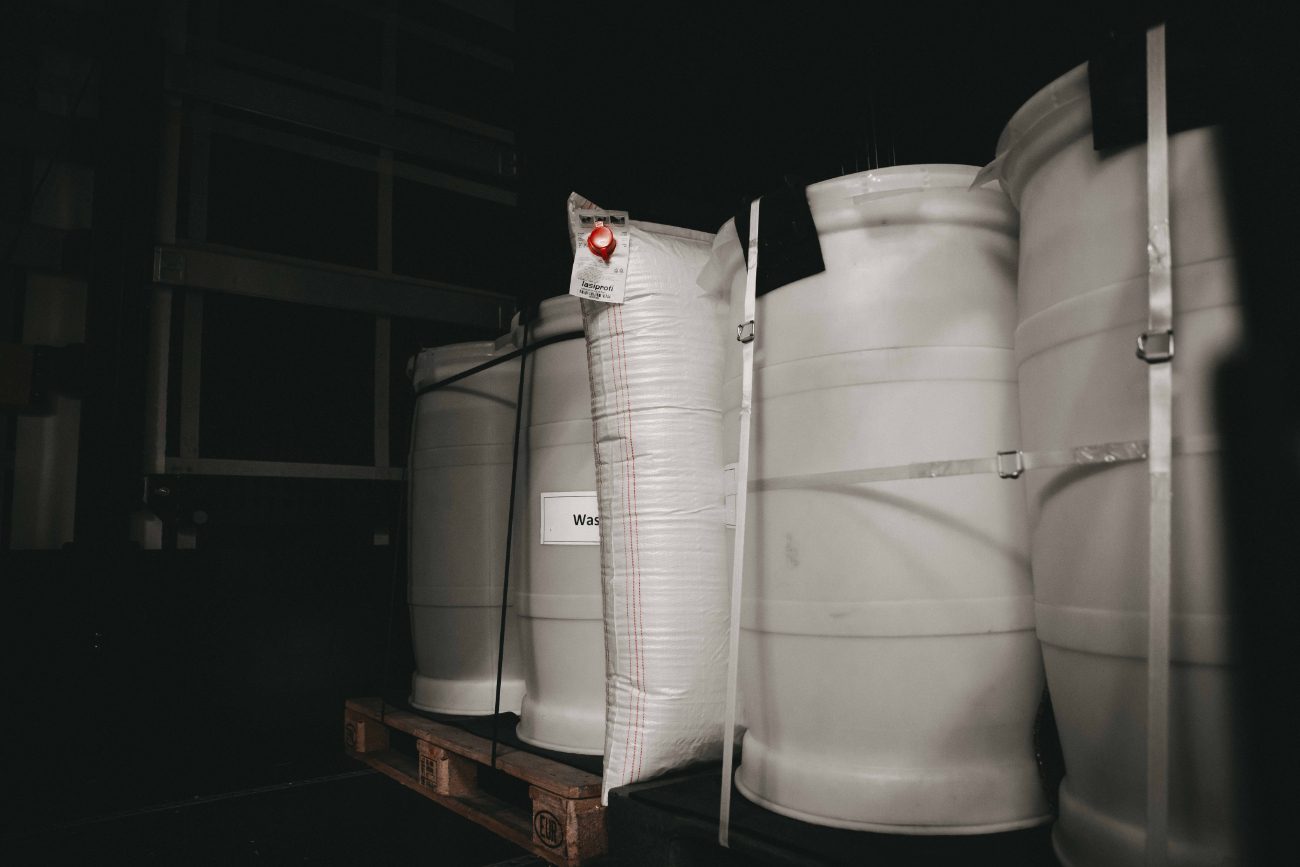

Load securing in lorries
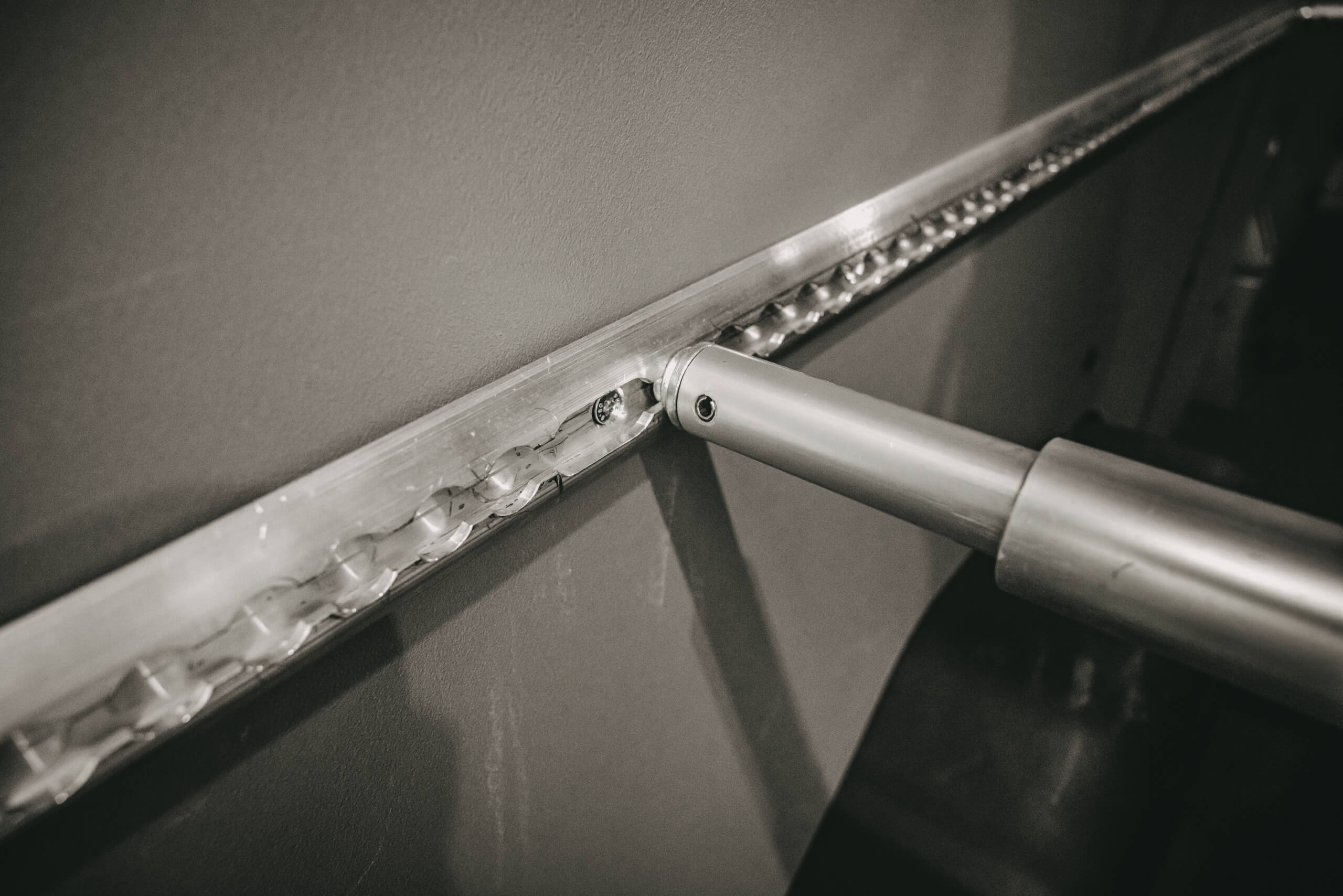
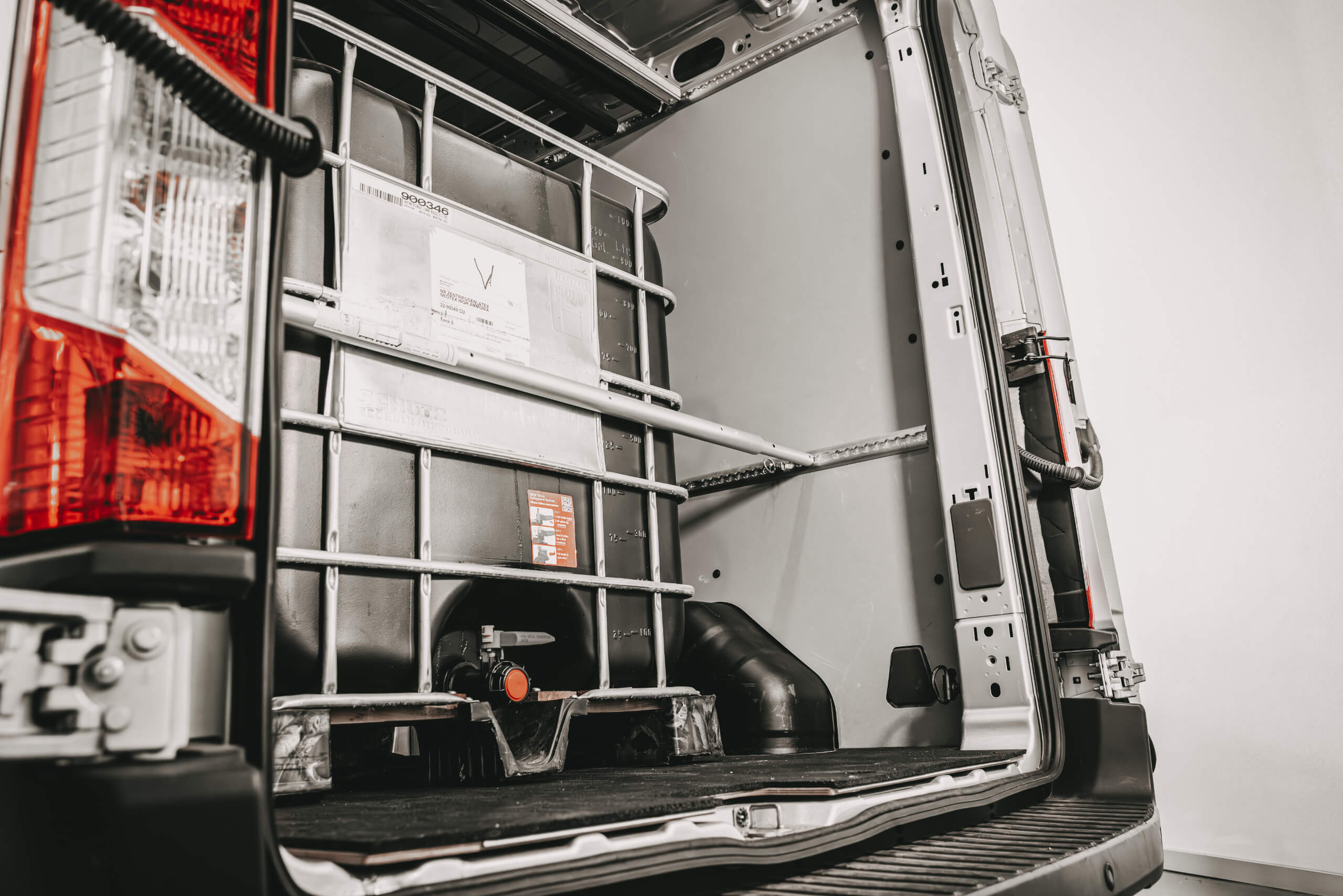
Load securing in cars
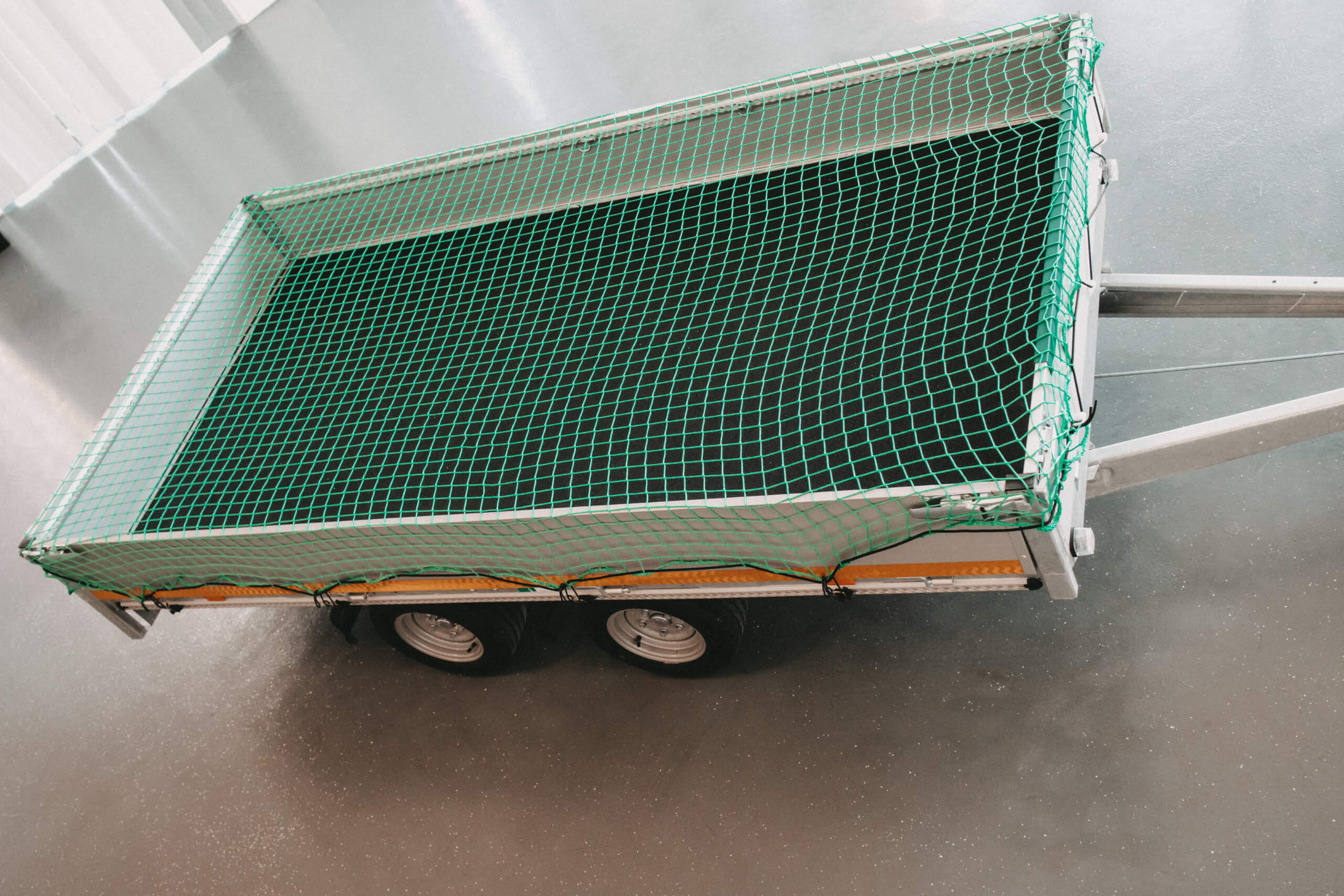


Legal load securing