
 Ladungssicherung


 Industrie & Logistik


 Planen & Netze


 Urlaub & Freizeit


The loading of freight
Lesezeit: 5 minutes
Aktualisiert am: 02.07.2025
-
Loading refers to the process of loading and unloading goods onto means of transport.
-
Loading requires extensive knowledge of load securing, as improper securing can have legal consequences for all parties involved.
Fachtexte von
Ladungssicherungs-Profis
The loading of freight
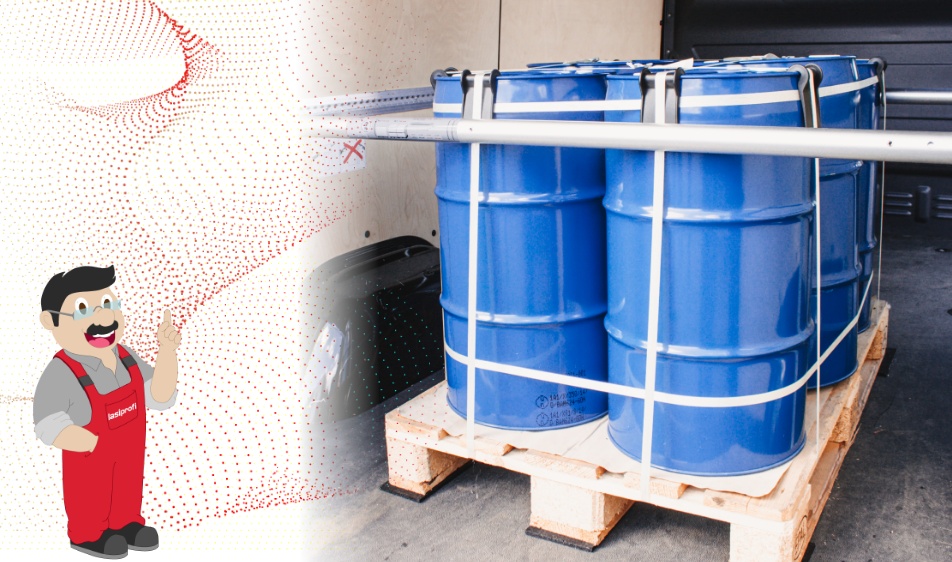
In logistics, loading refers to any loading process into a means of transport. The loading of goods can be synonymous with the terms loading, transhipment, loading, unloading or unloading. Unless circumstances or transport customs dictate otherwise, the shipper/consignor is responsible for loading. The carrier (forwarding agent) is responsible for ensuring that loading is carried out safely. However, warehouse staff, drivers or specialised loading personnel may also be involved. Loading requires extensive knowledge of load securing, as the freight must always be secured during transport and loading in such a way that it cannot slip, roll, tip over or even fall off the vehicle while in transit. In the event of unsafe loading or transport, not only the loading personnel but also the carrier (forwarding agent), consignor/sender, driver or vehicle owner will be held responsible in the event of an inspection by the regulatory authorities or even in the event of an accident. The internal transport of goods, for example with forklift trucks or other industrial trucks, must also be secured in the interests of operational safety.

Techniques for loading goods
Depending on the type, nature and weight of the load, as well as the type of load carrier and means of transport (lorry, container, rail, ship, aeroplane), loads must be loaded and secured in different ways. Correct load securing and its various techniques are therefore of great importance. When loading goods, a distinction is generally made between force-fit, form-fit or combined load securing.
Loading and securing by friction
When loading goods using force-fit fastening, they are secured to the loading area of the transporter using ropes, lashing straps, tensioning straps or chains. When lashing down the cargo, the required preload forces and the number of lashing materials required must be calculated precisely. The standard reference work for calculation is VDI 2700, but due to the complexity of the formulas, load securing calculators and reference tables are also available online or from manufacturers of load securing equipment.
Load securing by form fit
The load can be secured in six different ways to ensure that it is properly loaded and secured:
- flush loading,
- Direct lashing,
- Diagonal lashing,
- Diagonal lashing,
- Head flashing,
- bay lashing
You can find load securing equipment and aids for truck loading, for example, online in our load securing shop.
The loading of dangerous goods for road transport
Loading dangerous goods onto trucks or into containers requires special knowledge of the safety precautions required and demanded for the specific hazardous substance. If trucks are loaded with dangerous goods, the loader must be trained in the requirements and regulations for securing dangerous goods loads. Persons who transport vehicles with dangerous goods as general cargo and bulk goods must, regardless of the permissible total weight of the vehicle, be in possession of an ADR certificate in accordance with Chapter 8.2 ADR. Truck drivers can obtain this certificate through training courses and seminars offered by organisations such as the Chamber of Industry and Commerce, TÜV or Dekra. Due to the different requirements for securing the load of individual hazardous substances and means of transport, additional or special training courses must be completed if necessary, for example for the delivery of explosive or radioactive substances or the transport of dangerous goods by air. Persons responsible for transport planning of dangerous goods at the carrier (forwarding agent) are also responsible for transport and must complete special training courses.

Guidelines for loading containers onto ships and wagons
The provisions of the CTU Code (Cargo Transport Units) apply to loading into containers, sea containers, rail wagons and truck swap bodies. The CTU Code provides guidance on proper loading for international and intercontinental transport of goods. It includes the following information, among other things:
- Loading, packing and unpacking goods,
- occupational safety,
- Handling lashing materials,
- Strength of load securing equipment,
- Friction effect of different materials and packaging,
- Load capacity of lashing points and CTU walls.
Before handing over for transport, the CTU packing certificate required in section 5.4.2 of the IMDG Code must be issued or the information contained in the certificate must be included in the transport document.
The loading of goods onto container ships
When loading at the port's container terminal, the CSC certificate must be clearly visible on the container. Here, the owner is responsible for the safety of the container and any structural modifications. The shipper is responsible for container inspection and container safety and must be trained in accordance with GGVSee § 4 (12). When transporting dangerous or heavy goods by sea, the International Maritime Dangerous Goods Code (IMDG Code) must be observed. The transport guidelines of the IMDG Code essentially correspond to the transport guidelines for the transport of dangerous goods by road or rail. Differences arise where the conditions of maritime transport make this necessary, for example with regard to which goods may be loaded together, how transport units must be packed, or fire protection.
The loading of goods onto wagons (rail transport)
When loading and transporting goods, the transport guidelines of the International Union of Railways (UIC), to which almost all national railway associations worldwide belong, must be observed. The UIC loading guidelines contain detailed information on loading techniques, important load securing equipment and aids, and how different types of cargo such as timber, pallets or livestock are loaded or unloaded into freight wagons or liquids into tank wagons. Shippers and carriers must be familiar with and comply with these regulations for proper loading.
