
 Ladungssicherung


 Industrie & Logistik


 Planen & Netze


 Urlaub & Freizeit


Loading vehicles: loading lorries, stowing containers and loading trailers
Lesezeit: 6 minutes
Aktualisiert am: 14.09.2025
-
The correct loading of vehicles is mandatory for every driver.
-
The correct loading of vehicles is mandatory for every driver.
-
When loading lorries, a basic distinction is made between form-fit and force-fit load securing.
Fachtexte von
Ladungssicherungs-Profis
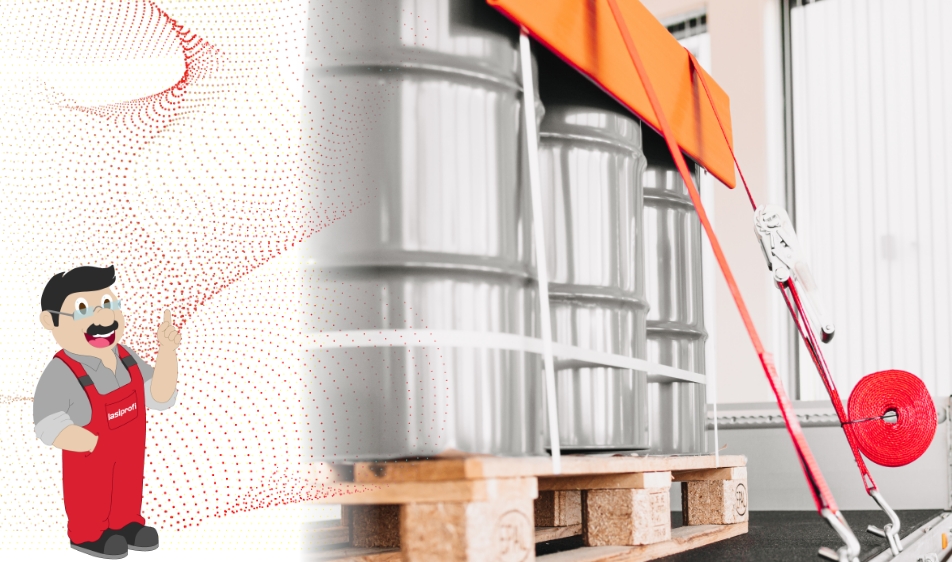
The most important points at a glance
Proper loading of vehicles is mandatory for every driver. The VDI 2700 series of guidelines specifies how to load trucks and trailers correctly. These guidelines deal with load securing on road vehicles. The guidelines explain how to calculate the forces that arise during braking manoeuvres. They highlight aids that can be used when loading trucks and explain the measures that can be taken to achieve optimum load distribution when loading trucks. Securing loads is not only important when loading lorries. When loading containers, you must also secure the load to prevent it from slipping and tipping over. In technical jargon, loading containers is also referred to as stowing containers.
Loading lorries – theory and practice
When loading a lorry correctly, the type of load is important. When loading a lorry, a distinction is made between form-fitting and force-fitting load securing. The first choice is form-fitting load securing. This involves using the side walls and front wall to secure the load against slipping. Force-fit securing is used, for example, when pallets or mesh boxes cannot be secured using form-fit securing. These goods can be lashed down with lashing straps or secured with load securing nets. Anti-slip mats provide additional security when loading trucks.
Practical example: Loading lorries
You want to transport two machine parts on a pallet with your lorry. You must ensure optimum load distribution when loading, as these parts cannot be placed against the front wall in a form-fitting manner, and you must secure the pallet to prevent it from slipping. Here's how to do it: place an empty Euro pallet against the front wall so that it fits snugly against the front wall and the load is distributed evenly across the truck's loading area. Place anti-slip mats under the Euro pallet and machine parts on the pallet to increase the friction between the loading area and the load unit. Secure these with lashing straps to ensure a secure connection.
Loading containers – theory and practice
For optimal container loading, you should create a stowage plan. To do this, you need information about the packaging, dimensions and weight of the load, and you must have the dimensions and weight restrictions of the container. When stowing containers, there are a few things to bear in mind, as not all loads can be transported together:
- You cannot transport wet cargo together with dry cargo.
- Odour-sensitive goods must not be combined with goods that emit odours.
- Goods with sharp edges should not be loaded with goods that have fragile packaging.
If a combination of such loads is unavoidable, certain precautions must be taken when loading the container. Sharp edges can be secured with wooden crates, and wet and dry loads can be separated from each other with packing materials. Containers are equipped with specific elements for securing loads:
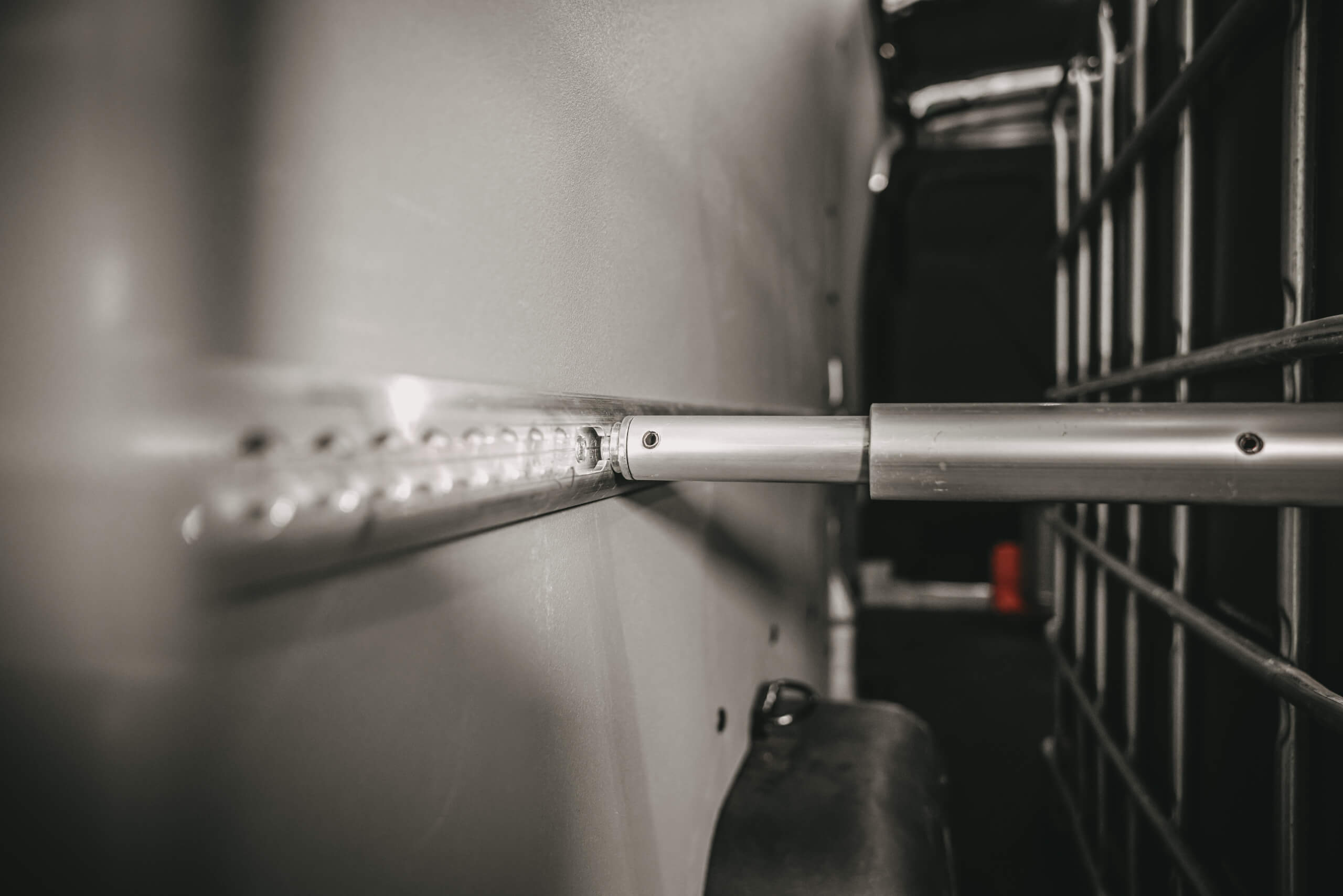
- The side walls feature so-called beads for securing loads in the longitudinal direction.
- Corner posts secure the load against horizontal slippage when loading the container.
- You can attach ropes, brackets and other fasteners to the lashing eyes provided to properly secure your goods when loading the container.
Practical example: Stowing containers
You need to stow a container. The cargo consists of parcels and bulky goods with sharp edges. You are familiar with the container specifications. The goods are lightweight and do not fill the entire container. First, create a stowage plan to ensure that the container is loaded correctly. Since the volume is not sufficient to fill the container completely, organise the loading so that the entire loading area is covered and the container is loaded to the same height throughout. First load the container with sharp-edged goods. Secure these with cardboard boxes and wooden crates. After loading the sharp-edged goods, load the packages. Place anti-slip materials under the pallets, fill any gaps with stowage cushions and attach lashing straps to secure the load at the rear.
Loading trailers – theory and practice
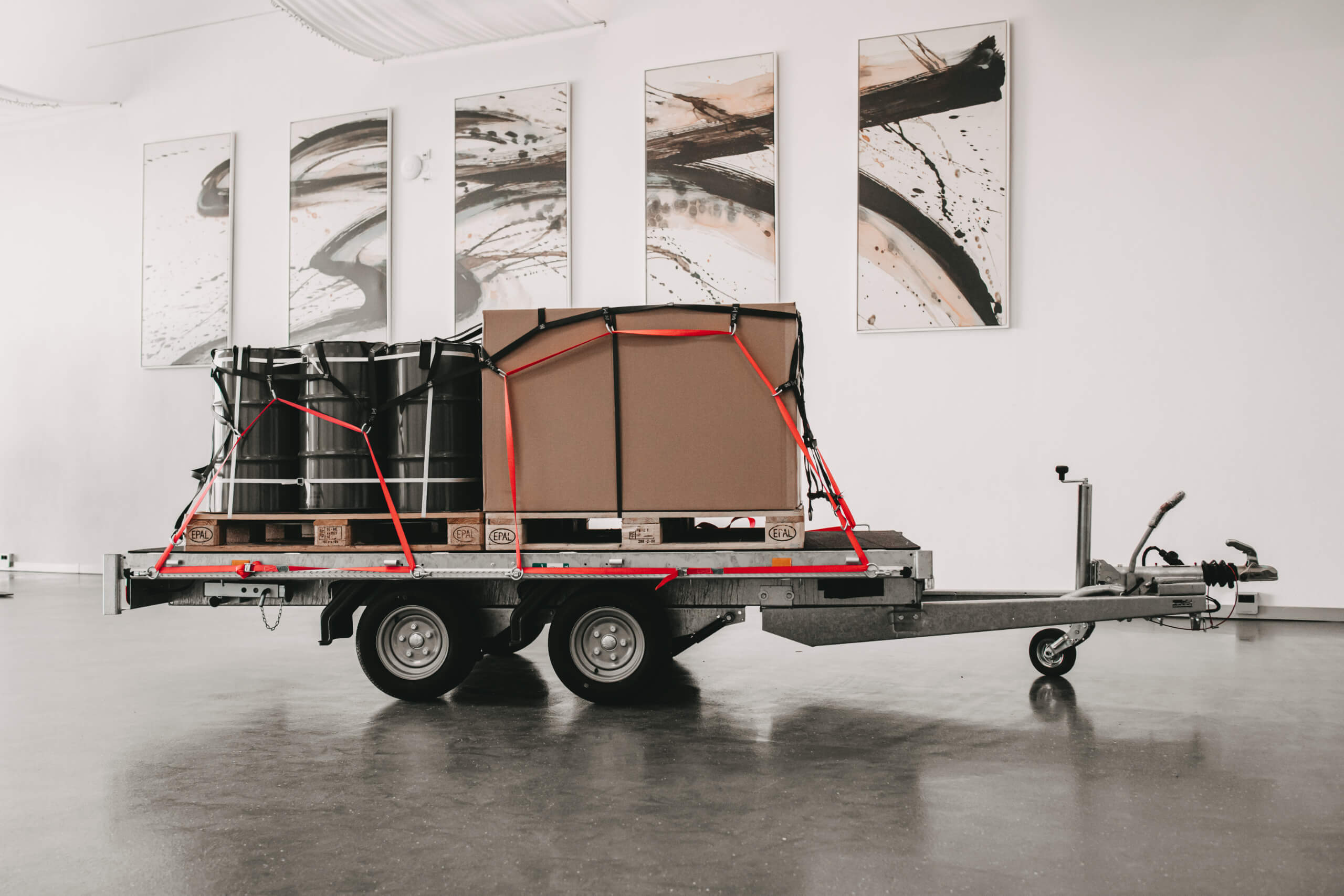
When loading the trailer, you must also pay attention to the trailer's payload and the permissible axle load of the towing vehicle. Trailers with flat tarpaulins are best suited for transporting bulk goods. If you want to transport pallets, mesh boxes or other loose goods, the trailer must be equipped with lashing eyes so that these goods can be secured by lashing them down.
Practical example: Loading a trailer
Trailer loading with logs Use a trailer with a flat tarpaulin. Spread the wood evenly on the trailer and cover it with a transport net or tarpaulin. Ensure that the net or tarpaulin is securely fastened. Trailer loaded with a pallet cage The mesh box should be placed in the centre of the trailer above the axle. Place an empty Euro pallet at the front of the trailer, then place the mesh box on top of it. Secure the mesh box firmly in place using tension belts. By using anti-slip mats under the load, you can increase friction and ensure optimum load security when loading. Observe the permissible load capacity of the lashing points and the respective axle and support loads.
Loading lorries, trailers and containers – conclusion
As you have read, there are a number of things to consider when loading trucks and stowing containers. However, proper loading is not rocket science. Familiarise yourself with the regulations and find out more in our guide. Remember that proper loading protects you and other road users from accidents. It is better to invest a few extra minutes when loading trucks and containers. Keep in mind that traffic checks include checks on proper loading and that the penalties for inadequate load securing are severe.
