 Ladungssicherung


 Industrie & Logistik


 Planen & Netze


 Urlaub & Freizeit


Load securing at a glance
Lesezeit: 3 minutes
Aktualisiert am: 09.09.2025
Fachtexte von
Ladungssicherungs-Profis

The most important information explained briefly
Every day, thousands of lorries, hereafter referred to as trucks, deliver vast quantities of goods from A to B throughout the Federal Republic of Germany or even internationally to many other countries around the world. Time and again, we hear or read in many media outlets that safety on Germany's roads is steadily declining. The main culprits are said to be lorries, which are either travelling at very high speeds or have not been properly inspected for defects for a long time, and damage to tyres, severe tread wear or other damage has not been repaired correctly or at all. Another cause of accidents or incidents on Germany's roads could be incorrect or incomplete load securing on lorries. It's time to take a closer look at the basics of load securing.Load securing by form fit
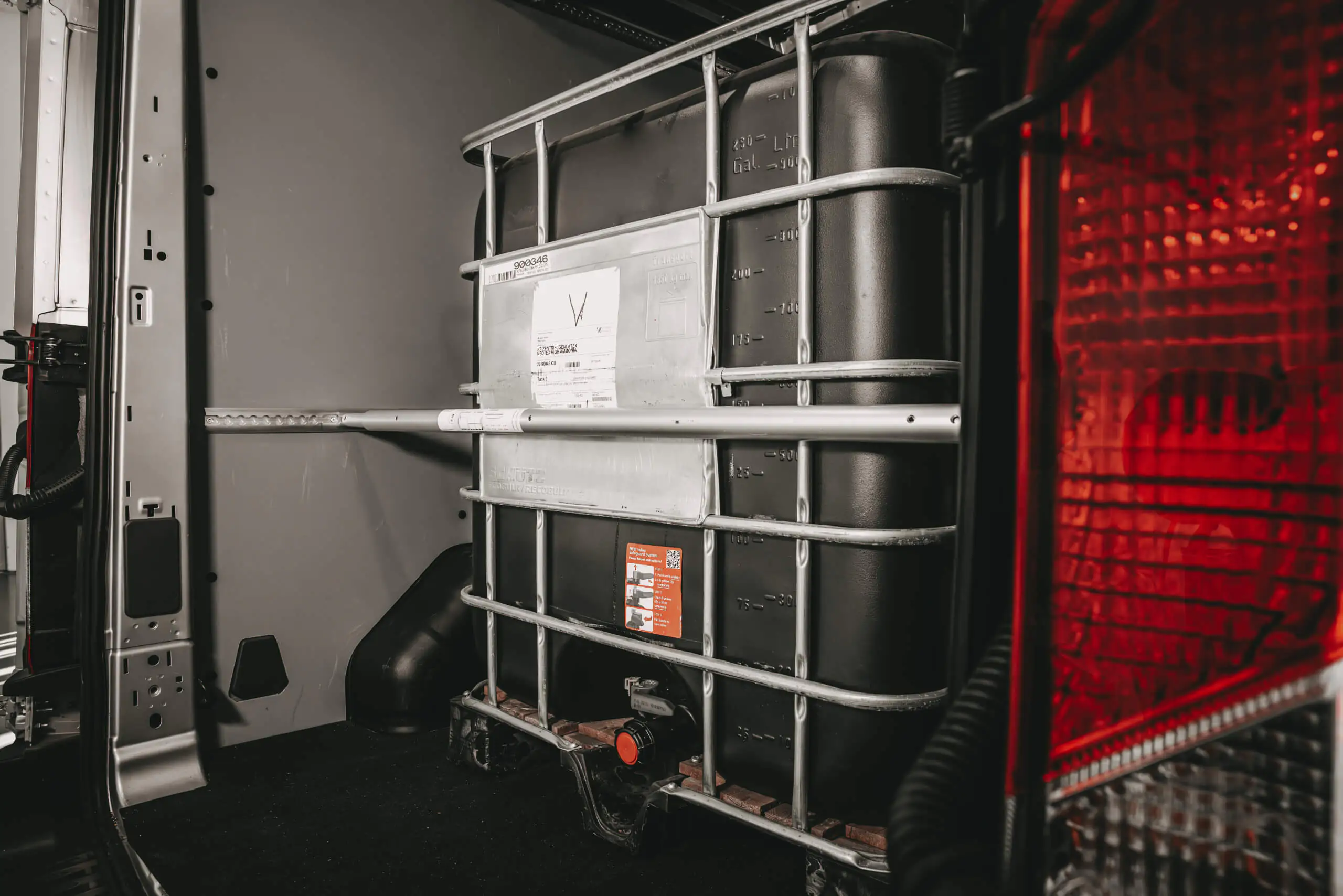
A good way to secure loads is to ensure that the goods to be transported take up as much space as possible so that the entire loading space is fully utilised. In plain language, this means that there should be no gaps or empty corners; the entire lorry should be filled. This prevents anything from slipping and secures the load. If necessary, slings and straps can also be used for additional security.